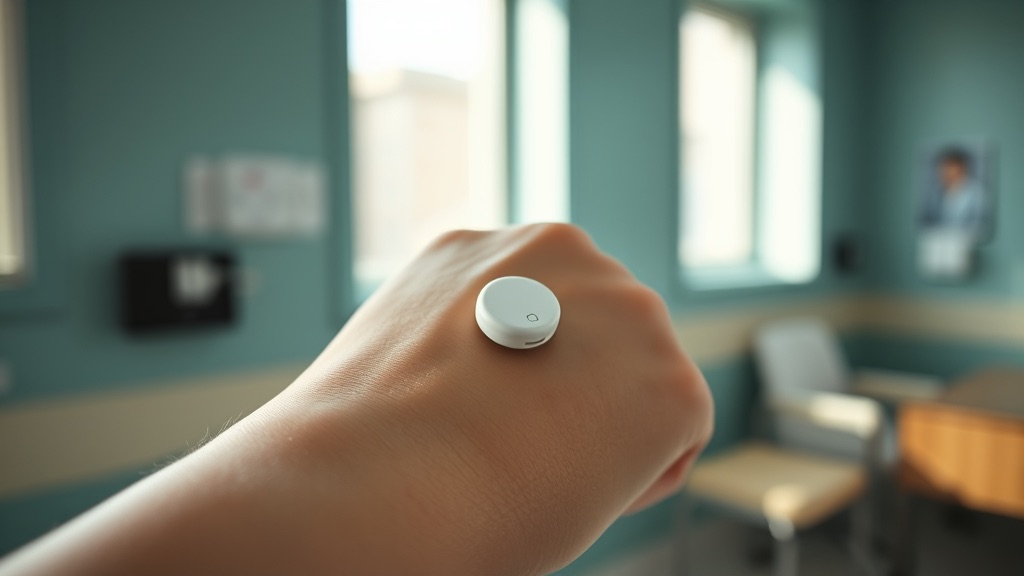
Most of us have only ever seen our blood sugar as a single number on a lab report. Continuous glucose monitoring in Malaysia is changing that. A CGM is a small wearable glucose sensor that sits on the back of the upper arm and records your glucose readings around the clock, so instead of one snapshot you get a full picture of what your body does with every meal, every late supper and every night of poor sleep. It is no longer a tool only for insulin users. Patients with prediabetes, family history, or simply an interest in their own health are wearing them too.
Why one fasting reading is not the whole story
A fasting glucose test tells you where your sugar sits after an overnight rest. It says nothing about the hour after nasi lemak, the teh tarik at 4pm, or the second helping at a wedding dinner.
HbA1c is more useful because it reflects an average over roughly the past two to three months. But an average hides the shape of the day. Two people can have the same HbA1c while one runs steady and the other swings high after every meal and dips in between. A glucose sensor shows you the shape, not just the average.
What a glucose spike after meals actually means
When you eat carbohydrate, glucose rises in the blood and insulin brings it back down. That rise is normal. What a CGM lets your doctor see is how high it goes, how long it stays up, and how quickly it settles.
Patterns that often surprise people:
- White rice, roti canai and sweetened drinks tend to produce sharper rises than the same calories from protein or vegetables.
- The same meal can behave differently depending on the time of day, your sleep, or whether you walked after eating.
- Eating protein or vegetables first, or taking a ten-minute walk after a meal, often visibly changes the curve.
None of this is a diagnosis on its own. It is information your doctor uses alongside your blood results and your history.
Time-in-range: the number that matters most
Beyond individual spikes, a CGM produces a measure called time-in-range — the proportion of the day your glucose stayed within a target band, versus how much time was spent above or below it.
Two people can have the same average and very different time-in-range. Steady is generally better than swinging. The specific target band differs depending on whether you are diabetic, prediabetic, pregnant, or being screened, so your doctor will interpret your report against the appropriate clinical targets rather than a number from the internet.
Why 14 days rather than a few
Fourteen days is used because it captures real life. It covers two weekends, working days and rest days, at least one restaurant meal, one bad night's sleep and one stressful day. A three-day reading captures a version of you that is behaving unusually well because you know you are being watched.
Fourteen days is long enough for patterns to repeat, which is what makes them trustworthy.
How a 14-day programme typically works
A structured programme is not just a sensor handed over the counter. It usually runs like this:
- Day 0 — a baseline blood panel including fasting glucose, HbA1c and a lipid profile. The sensor is fitted, and you sit down with a dietitian one-to-one. You are shown how to keep a simple food diary, because glucose data without knowing what you ate is close to meaningless.
- Day 7 — a check-in, usually over WhatsApp, to sort out early questions, sensor issues, or patterns that are already obvious.
- Day 14 — the sensor comes off and a doctor reviews the full 14-day report together with your blood results, then writes you a plan in plain language.
If anything abnormal turns up — undiagnosed diabetes, poorly controlled sugars, worrying lipids — you are moved into ongoing chronic care follow-up rather than left with a report and no next step.
Who tends to benefit
- People with type 2 diabetes who have never seen their own daily glucose pattern.
- People told they have prediabetes or a borderline HbA1c.
- Anyone with a parent or sibling with diabetes.
- Patients carrying extra weight, especially around the middle.
- Fitness and wellness users who want to understand how their food and training affect them.
What it is not
A CGM does not diagnose diabetes by itself. Diagnosis in Malaysia still rests on standard blood testing interpreted by a doctor. Sensor readings sit in the fluid under the skin and lag slightly behind blood, so occasional differences from a finger-prick are expected.
It also will not tell you what to do. The value is in the review — someone qualified sitting with you, explaining what your fourteen days mean, and agreeing what changes first.
Talking to us
Mediwira Medical clinics run structured continuous glucose monitoring programmes with baseline blood testing, dietitian input and a doctor review of your full report. If you are unsure whether it is right for you, ask — we are happy to talk it through before you commit to anything.
Related reading: which annual screening tests are actually worth doing and why blood pressure needs checking even when you feel well.
You can find locations such as Mediwira Clinic Pasir Gudang on our clinics page. Each clinic's phone number is also its WhatsApp line, so you can message us directly for enquiries or to book an appointment.
This article is general health information. A CGM is a monitoring tool, not a treatment or a diagnostic test on its own. Whether it is appropriate for you, and what your readings mean, must be determined by a doctor who has assessed you.